Rubber fenders for ships
-
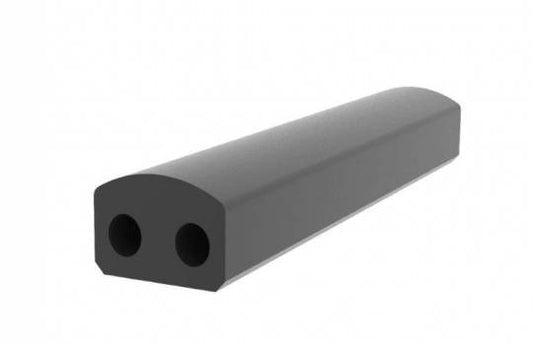
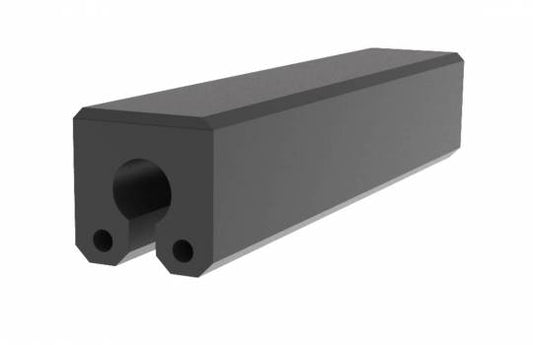
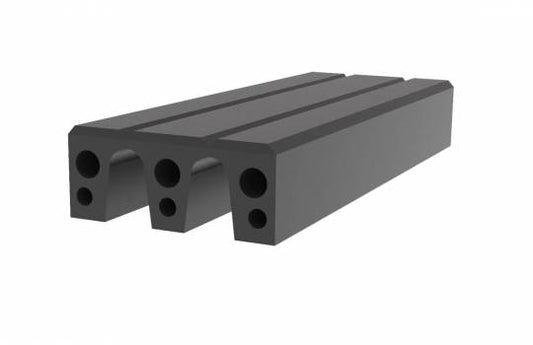
Tugboat rubber fenders-specials D shape
Regular price €0,01 EURRegular priceUnit price / perSale price €0,01 EUR -
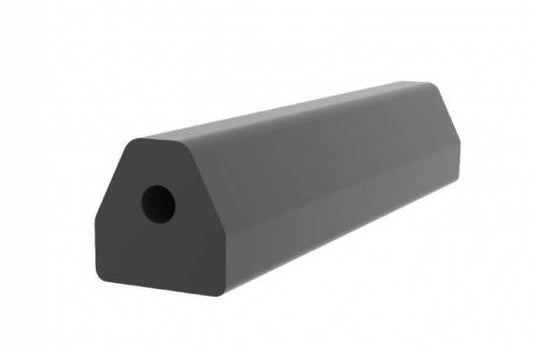
Tugboat rubber fenders - Specials Trapezium shape
Regular price €0,01 EURRegular priceUnit price / perSale price €0,01 EUR -
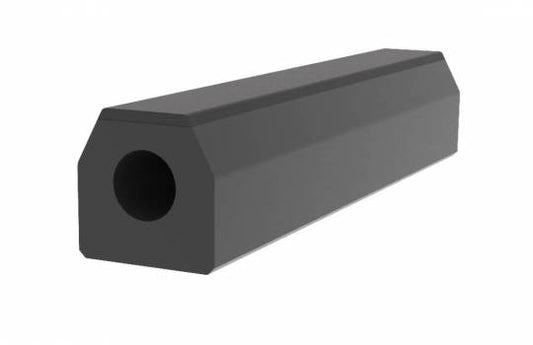
Trapezium composite fenders - CFC
Regular price €0,01 EURRegular priceUnit price / perSale price €0,01 EUR -
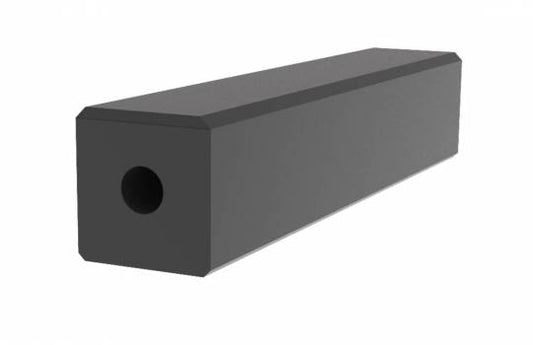
Composite block fenders CF-A
Regular price €0,01 EURRegular priceUnit price / perSale price €0,01 EUR -
Keyhole composite fenders
Regular price €0,01 EURRegular priceUnit price / perSale price €0,01 EUR -
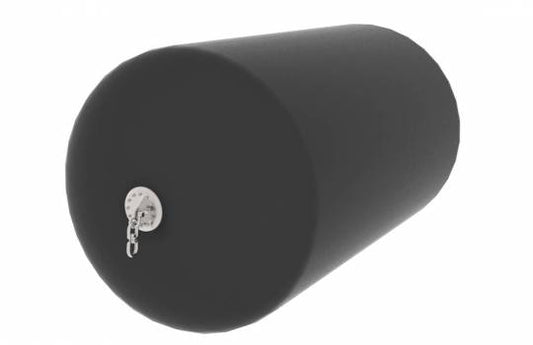
Pneumatic fenders sling
Regular price €0,01 EURRegular priceUnit price / perSale price €0,01 EUR -
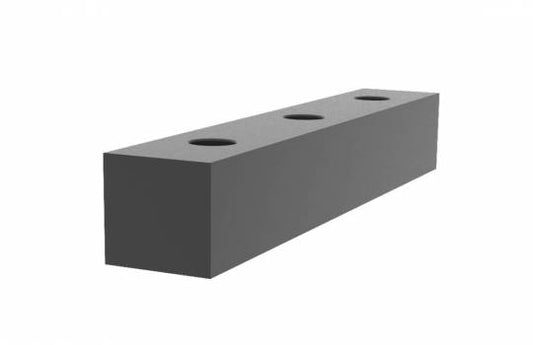
Rubber fender bars
Regular price €0,01 EURRegular priceUnit price / perSale price €0,01 EUR -
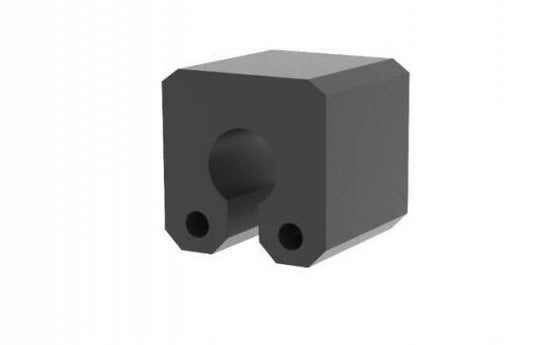
Rubber keyhole fender blocks
Regular price €0,00 EURRegular priceUnit price / perSale price €0,00 EUR -
Rubber Composite M-fender blocks with UHMWPE Top layer
Regular price €0,00 EURRegular priceUnit price / perSale price €0,00 EUR -
Trapezium composite fenders - CFD
Regular price €0,01 EURRegular priceUnit price / perSale price €0,01 EUR -
Composite block fenders CF-B
Regular price €0,01 EURRegular priceUnit price / perSale price €0,01 EUR
Collection: Rubber fenders for ships
What are ship fenders?
Ship fenders are marine protection systems designed to absorb berthing energy when a vessel comes into contact with a quay, jetty, pontoon, or another ship. By reducing impact forces, ship fenders protect both the vessel hull and the supporting structure from damage during berthing and mooring operations.
Ship fenders are used in ports, terminals, and offshore environments and are available in different designs depending on the operating conditions and the type of vessels involved.
Which fender do I need for my ship?
The choice of the right ship fender depends on several operational factors, including vessel size, berthing frequency, available space, and whether the fender system needs to be permanent or flexible. Fixed installations with frequent vessel movements typically use solid rubber fenders, while floating or temporary operations often require pneumatic fenders.
Environmental conditions such as tidal range, wave action, and berth configuration also influence fender selection. Choosing the appropriate fender type ensures effective energy absorption while keeping reaction forces within safe limits for both the vessel and the structure.
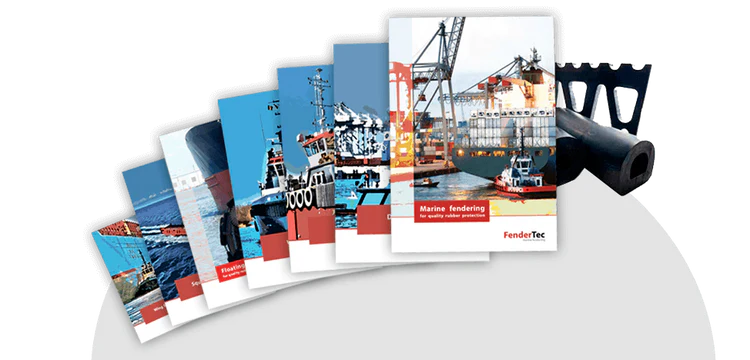
Fender brochures
In our download section you will find the latest editions of our fender brochures. Please download our latest fender catalogue for more interesting product information.