


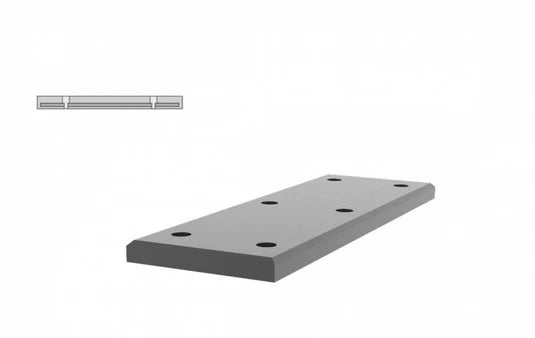
UHMWPE and plastic Marine fender pads Brochure
In our download section you will find the latest editions of our fender brochures.
Typical applications:
-

Quay fenders
What are quay fenders? Quay fenders are marine protection systems installed along...
-

Fenders for Harbours and ports
Fenders for harbours and ports are marine fendering systems designed to protect...


UHMWPE and plastic Marine fender pads information:
FAQ
What are UHMWPE marine fender pads?
UHMWPE marine fender pads are protective components made from ultra-high-molecular-weight polyethylene used as fender protection pads on vessels, berths and fender faces. They provide a low-friction, wear-resistant interface between contacting surfaces to reduce abrasive wear and help distribute contact loads during mooring and berthing operations. UHMWPE protection pads are selected where sliding contact and abrasion resistance are important; material characteristics include low friction, chemical resistance and low moisture absorption. Contact our team for application advice.
What are fender protection pads used for?
Fender protection pads are used to protect hulls, fenders, berthing structures and equipment from abrasion, impact and surface damage during docking, mooring and cargo operations. They provide a sacrificial, replaceable surface that reduces friction and wear between contacting components, helps preserve protective coatings and can improve operational safety by minimising high-friction contact. Fender protection pads are applied across ports, marinas and vessels where repeated contact occurs. For material selection and application guidance, please consult our team.
What are the advantages of UHMWPE protection pads?
UHMWPE protection pads offer low surface friction that reduces wear on contacting parts, high abrasion resistance that extends service life compared with some other plastics, and good resistance to many chemicals and marine conditions. The material’s low water absorption and smooth sliding behaviour can reduce impact forces and limit damage to coatings and structures. These qualities make UHMWPE protection pads suitable for sliding and rubbing applications in maritime environments. Contact our team for assessments of suitability for specific installations.
How is maintenance performed for marine fender pads?
Maintenance of marine fender pads typically includes routine inspection for abrasion, cracking, deformation and secure fixings, along with cleaning to remove marine growth, debris and contaminants. Cleaning with fresh water and a mild detergent is commonly sufficient; aggressive solvents should be avoided unless specified by the material supplier. Damaged or excessively worn pads should be replaced to maintain protection. For recommended inspection criteria, replacement thresholds and attachment methods, contact our team for technical guidance tailored to your installation.
Fender brochures
In our download section you will find the latest editions of our fender brochures. Please download our latest fender catalogue for more interesting product information