


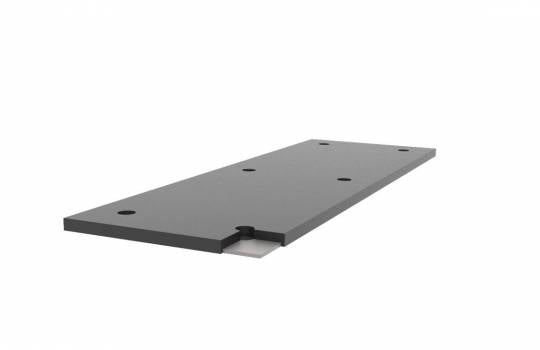

Rubber marine protection plates Brochure
In our download section you will find the latest editions of our fender brochures.
Typical applications:
-

Quay fenders
What are quay fenders? Quay fenders are marine protection systems installed along...
-

Fenders for Harbours and ports
Fenders for harbours and ports are marine fendering systems designed to protect...


Rubber marine protection plates information:
FAQ
What are marine protection plates?
Marine protection plates are flat rubber components designed to form a protective interface on vessels and maritime structures. They reduce direct metal-to-metal contact between hulls, fenders, quay walls, and equipment by providing a resilient, abrasion-resistant surface. These plates are specified for applications that require impact cushioning, wear resistance, and surface protection in a marine environment. Selection typically considers compound properties such as seawater resistance and hardness; contact our team for technical guidance on matching plate material to an application.
What are rubber protection plates used for?
Rubber protection plates are used to protect contact surfaces from impact, abrasion, and wear in marine and industrial settings. Typical uses include hull protection, fender faces, chock linings, deck scuff guards, and protective pads on cranes or loading equipment. The plates serve to distribute loads, reduce localized damage, and prevent corrosion by isolating mating metal parts. Material choice influences resistance to seawater, oils, and mechanical wear; our team can advise on material selection for specific operating conditions.
How do marine protection plates protect vessels?
Marine protection plates protect vessels by absorbing and distributing impact energy, preventing direct metal contact and reducing localized stress on hulls and structures. Their resilient rubber composition provides a cushioning layer that mitigates abrasion and surface damage during berthing, towing, or alongside operations. Properly installed plates also help maintain watertight integrity at contact points and can reduce maintenance needs by limiting paint and coating damage. For application-specific recommendations, consult our team to evaluate environmental and operational factors.
How should rubber protection plates be maintained?
Rubber protection plates should be inspected regularly for cuts, deformation, chemical attack, and fastening integrity. Routine cleaning with fresh water and mild detergents removes salts and contaminants that accelerate wear. Replace plates showing significant cracking, compression set, or loss of attachment. Avoid sharp impacts and prolonged exposure to incompatible chemicals or high temperatures. Keep records of inspections and repairs to inform lifecycle decisions. For maintenance schedules and material compatibility, contact our team for tailored advice.

Fender brochures
In our download section you will find the latest editions of our fender brochures. Please download our latest fender catalogue for more interesting product information