


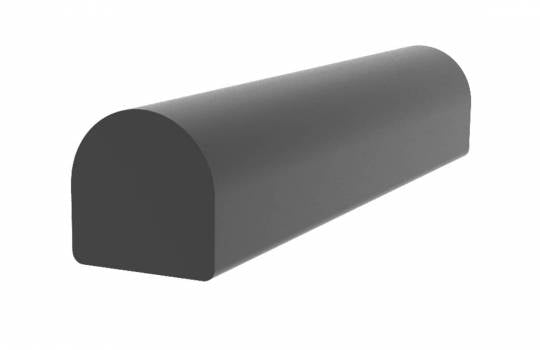

Rubber DS fenders Brochure
In our download section you will find the latest editions of our fender brochures.
| Product Name | SKU | A (mm) | B (mm) | C (mm) | D (mm) | Weight (kg/m) | Max Length (mm) |
|---|---|---|---|---|---|---|---|
| DS-fender 100x100mm | DS100100 | 100 | 100 | 25 | 15 | 11,0 | 6.000 |
| DS-fender 125x125mm | DS125125 | 125 | 125 | 25 | 20 | 19,0 | 6.000 |
| DS-fender 150x150mm | DS150150 | 150 | 150 | 30 | 20 | 24,8 | 6.000 |
| DS-fender 200x200mm | DS200200 | 200 | 200 | 45 | 25 | 44,2 | 6.000 |
| DS-fender 250x250mm | DS250250 | 250 | 250 | 50 | 30 | 69,0 | 6.000 |
| DS-fender 300x300mm | DS300300 | 300 | 300 | 60 | 30 | 99,4 | 6.000 |
| DS-fender 350x350mm | DS350350 | 350 | 350 | 70 | 35 | 135,2 | 6.000 |
| DS-fender 400x400mm | DS400400 | 400 | 400 | 80 | 35 | 176,6 | 6.000 |
| DS-fender 450x450mm | DS450450 | 450 | 450 | 90 | 35 | 226,0 | 6.000 |
| DS-fender 500x500mm | DS500500 | 500 | 500 | 100 | 35 | 280,0 | 6.000 |
Typical applications:
-

Rubber fenders for ships
What are ship fenders? Ship fenders are marine protection systems designed to...
-

Quay fenders
What are quay fenders? Quay fenders are marine protection systems installed along...
-

Fenders for Harbours and ports
Fenders for harbours and ports are marine fendering systems designed to protect...


Rubber DS fenders information:
FAQ
What are DS fenders (DS bumper)?
DS fenders, often called DS bumpers, are extruded rubber profiles used as impact-absorbing and protective elements. They are produced by extrusion and supplied in a range of designs and sizes to provide DS rubber protection for edges, surfaces and equipment. These components serve as a basic mechanical barrier between contacting parts, reducing wear and preventing direct metal-to-metal contact. Specifications such as material compound and profile shape are selected to match the intended use and operating environment.
What are DS fenders used for?
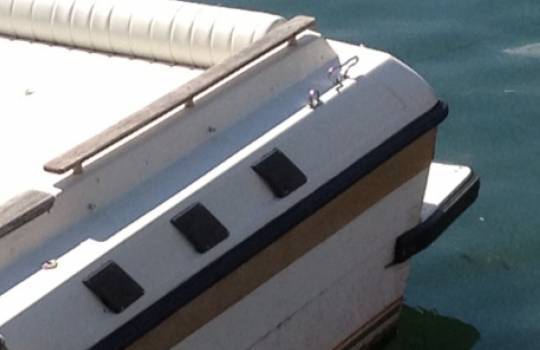
DS fenders are used wherever a resilient barrier or edge protection is required to absorb impact, limit movement or reduce vibration. Typical uses include protection of structural edges, machine guards, vehicle contact points and sealing applications where a flexible buffer is needed. The term DS bumper describes their role as a rubber protective element; selection depends on the nature of the contact, required resilience and environmental exposure rather than a single universal application.
How are DS fenders manufactured?
DS fenders are manufactured primarily by extrusion, a continuous process that shapes rubber compounds through a die to form the desired profile. After extrusion, profiles undergo finishing and curing steps appropriate to the compound and application to achieve the required mechanical properties. This method allows a wide variety of DS rubber profiles and repeatable production of consistent cross-sections across different designs and sizes.
How do I choose the right DS bumper or DS rubber protection?
Choosing the right DS bumper requires assessing contact conditions, expected loads, environmental factors (temperature, UV and chemical exposure), desired hardness and the preferred installation method (adhesive, mechanical fixings or compression fit). Profile shape and material compound influence energy absorption and longevity. For application-specific selection or compatibility questions, contact our team for technical advice so the DS rubber protection matches operational requirements and installation constraints.

Fender brochures
In our download section you will find the latest editions of our fender brochures. Please download our latest fender catalogue for more interesting product information