



Rubber DC fenders Brochure
In our download section you will find the latest editions of our fender brochures.
| Product Name | SKU | A (mm) | B (mm) | C (mm) | D (mm) | Weight (kg/m) | Max Length (mm) |
|---|---|---|---|---|---|---|---|
| DC-fender 040x030mm o-bore 014mm | DC040030 | 40 | 30 | 14 | 6 | 1,0 | 20.000 |
| DC-fender 100x100mm o-bore 030mm | DC100030 | 100 | 100 | 30 | 15 | 10,5 | 6.000 |
| DC-fender 100x100mm o-bore 050mm | DC100100 | 100 | 100 | 50 | 15 | 10,0 | 6.000 |
| DC-fender 100x115mm o-bore 030mm | DC100115 | 100 | 115 | 30 | 15 | 12,0 | 6.000 |
| DC-fender 125x125mm o-bore 050mm | DC125125 | 125 | 125 | 50 | 20 | 15,0 | 6.000 |
| DC-fender 125x150mm o-bore 060mm | DC125150 | 125 | 150 | 60 | 20 | 18,0 | 6.000 |
| DC-fender 125x165mm o-bore 060mm | DC125165 | 125 | 165 | 60 | 20 | 20,0 | 6.000 |
| DC-fender 150x150mm o-bore 065mm | DC150150 | 150 | 150 | 65 | 20 | 20,6 | 6.000 |
| DC-fender 200x200mm o-bore 075mm | DC200200 | 200 | 200 | 75 | 25 | 38,5 | 6.000 |
| DC-fender 200x230mm o-bore 090mm | DC200230 | 200 | 230 | 90 | 25 | 44,2 | 6.000 |
| DC-fender 250x250mm o-bore 100mm | DC250250 | 250 | 250 | 100 | 30 | 59,0 | 6.000 |
| DC-fender 300x300mm o-bore 100mm | DC300100 | 300 | 300 | 100 | 30 | 90,6 | 6.000 |
| DC-fender 300x300mm o-bore 150mm | DC300150 | 300 | 300 | 150 | 30 | 78,3 | 6.000 |
| DC-fender 300x300mm o-bore 125mm | DC300300 | 300 | 300 | 125 | 30 | 83,7 | 6.000 |
| DC-fender 350x350mm o-bore 150mm | DC350350 | 350 | 350 | 150 | 35 | 113,0 | 6.000 |
| DC-fender 400x400mm o-bore 200mm | DC400400 | 400 | 400 | 200 | 35 | 139,3 | 6.000 |
| DC-fender 450x450mm o-bore 225mm | DC450450 | 450 | 450 | 225 | 35 | 165,0 | 6.000 |
| DC-fender 500x500mm o-bore 250mm | DC500500 | 500 | 500 | 250 | 35 | 214,0 | 6.000 |
Typical applications:
-

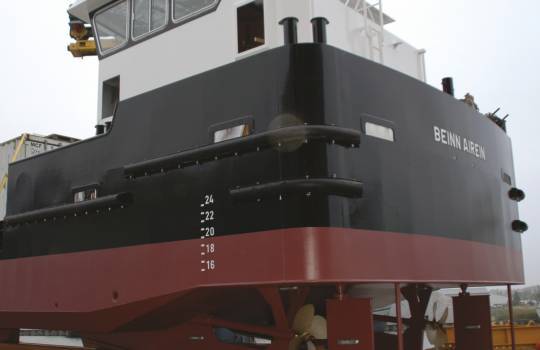
Rubber fenders for ships
What are ship fenders? Ship fenders are marine protection systems designed to...
-

Quay fenders
What are quay fenders? Quay fenders are marine protection systems installed along...
-

Fenders for Harbours and ports
Fenders for harbours and ports are marine fendering systems designed to protect...


Rubber DC fenders information:
FAQ
What are DC rubber fenders?
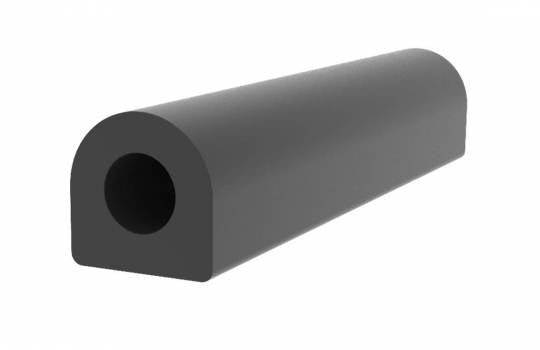
DC rubber fenders are DC-shaped solid fenders with a circular internal chamber, sometimes also referred to as circular D fenders. They are designed to absorb impact energy while producing a relatively low reaction force. Acting as a form of DC bumper and DC rubber protection, these fenders reduce shock transmitted to structures or vessels.
DC rubber fenders are manufactured from elastomeric materials engineered for resilience and energy dissipation, providing a deformable interface between contacting bodies in docking or berthing applications.
What are DC rubber fenders used for?
DC rubber fenders are used to protect vessels, quay walls, pontoons and other structures from impact during berthing or mooring operations. As a type of DC bumper or circular D fender, they provide a cushioning and energy-absorbing barrier that reduces damage and structural stress.
Typical uses include vessel-to-dock and vessel-to-vessel contact points, gangway protection and general DC rubber protection where controlled deformation and low reaction force are required.
What materials are DC rubber fenders made of?
DC rubber fenders are typically made from elastomeric materials such as solid rubber compounds and foam elastomers or other similar elastomeric materials. Material selection is based on required resilience, energy absorption and environmental resistance.
Different compounds provide varying resistance to abrasion, ozone, saltwater and temperature; the appropriate material should be chosen to match operational conditions. Contact our team for advice on material selection for specific applications.
How should DC rubber fenders be maintained and inspected?
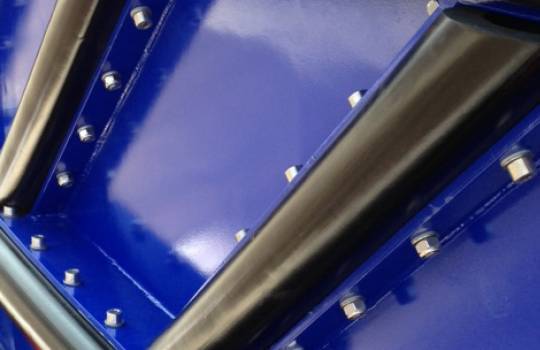
Maintenance of DC rubber fenders involves regular visual inspection for cuts, cracking, deformation, extrusion and condition of mounting hardware, plus routine cleaning to remove debris and corrosive substances. Avoid harsh solvents that can damage elastomers.
Follow manufacturer guidelines for repair or replacement when wear compromises performance. For specific inspection criteria, maintenance schedules or remedial actions suited to your installation, contact our team for technical advice.

Fender brochures
In our download section you will find the latest editions of our fender brochures. Please download our latest fender catalogue for more interesting product information