


Draghead fenders Brochure
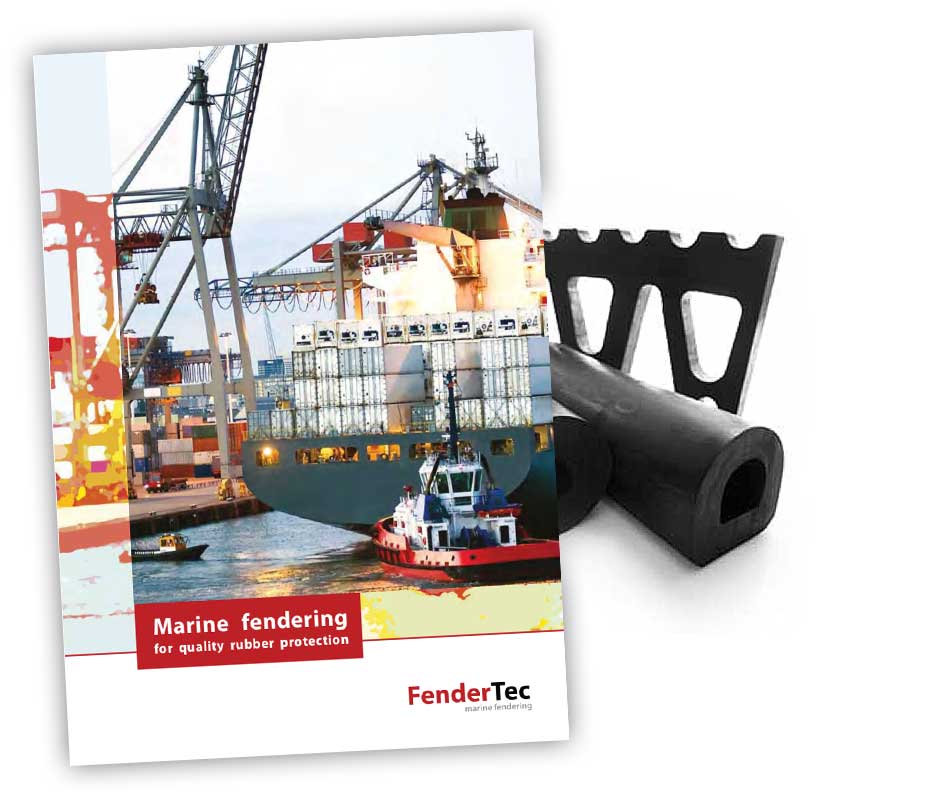
In our download section you will find the latest editions of our fender brochures.
Typical applications:
-

Fenders for the dredging Industry
The dredging industry uses fenders to protect ships and components like cardan...
Draghead fenders information:
FAQ
What are draghead fenders?
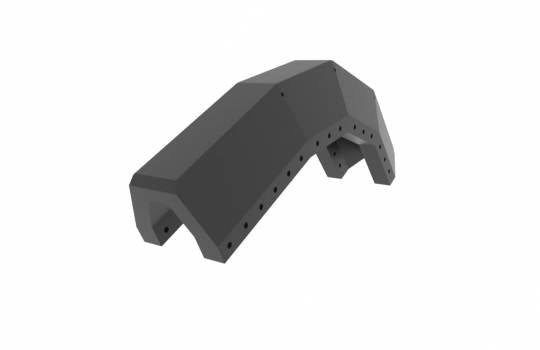
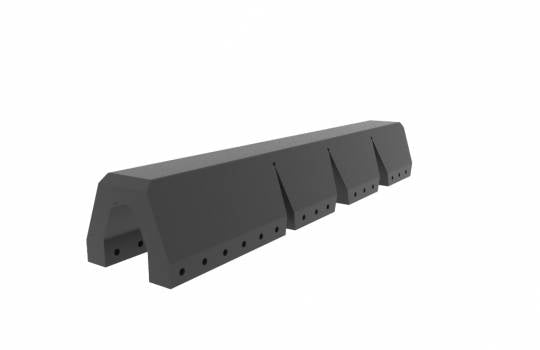
Draghead fenders are rubber components designed to provide draghead protection and to cushion contact between the drag head and a vessel hull. They are manufactured from resilient elastomeric materials to absorb impact energy and resist abrasion in marine dredging operations. These fenders act as a sacrificial interface that reduces direct metal-to-metal contact and helps preserve the structural integrity of both the drag head and adjacent hull areas under normal and rough operating conditions.
What are draghead fenders used for?
Draghead fenders are used to protect the drag head assembly and nearby hull surfaces during dredging, positioning, and towing operations. They reduce the risk of damage from incidental collisions, abrasive contact with the seabed, and handling impacts. By providing draghead protection rubber fenders help limit equipment wear, reduce repair needs, and support operational continuity in challenging marine environments where contact between components is likely.
How do draghead fenders protect the hull?
Draghead fenders protect the hull by absorbing and dissipating kinetic energy from impacts and by distributing contact forces across a larger area to lower local stresses. The elastomeric behavior of the rubber reduces shock transmission to the hull structure and resists abrasion from sediments. This protective action prevents concentrated damage, helps maintain hull integrity, and can reduce the frequency of maintenance interventions that result from repeated contact during dredging activities.
How should draghead fenders be inspected and maintained?
Inspection and maintenance of draghead fenders should focus on identifying wear, cuts, deformation, and secure attachment. Regular visual checks and tactile inspection of fastenings are standard practice to confirm the fender continues to provide effective draghead protection. Contaminants and embedded debris should be removed and damaged units replaced before performance is compromised. For application-specific guidance and selection of replacement fenders, contact our team for technical advice.
Fender brochures
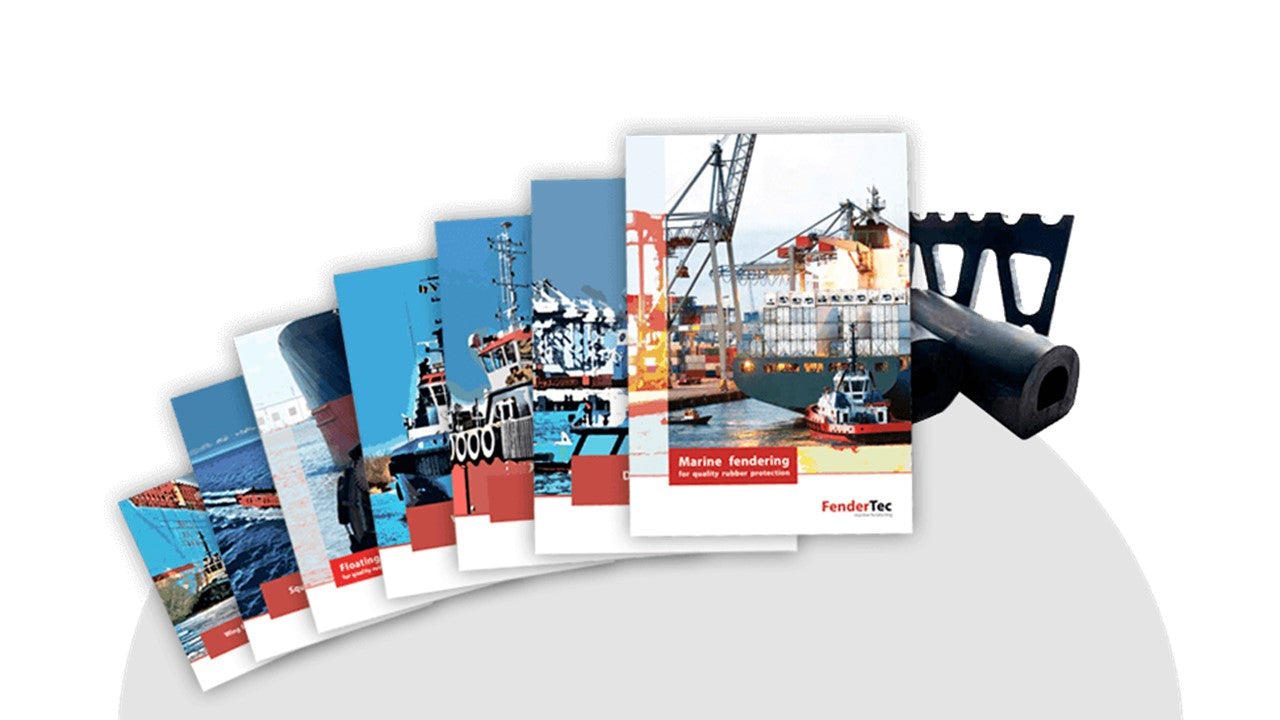
In our download section you will find the latest editions of our fender brochures. Please download our latest fender catalogue for more interesting product information