


M fenders Brochure
In our download section you will find the latest editions of our fender brochures.
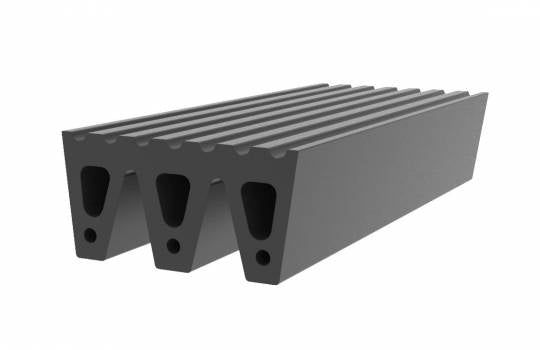
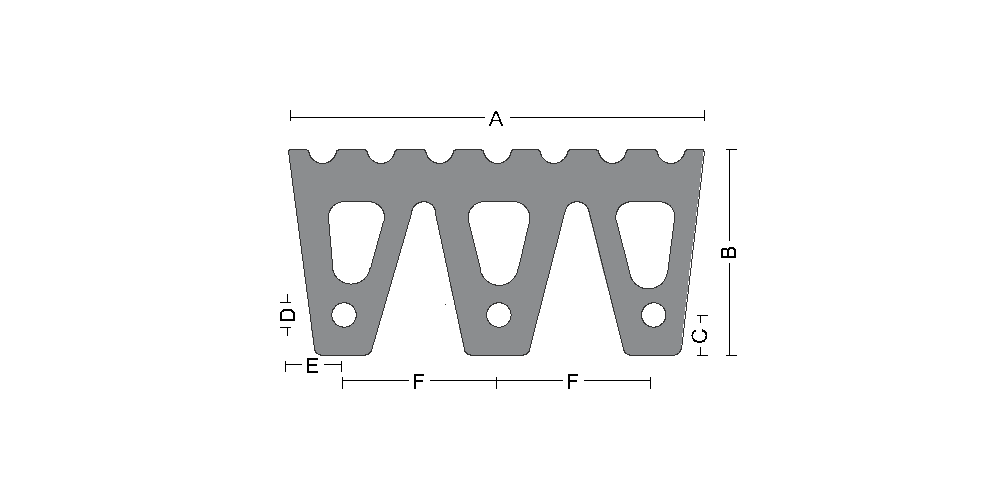
| Product Name | SKU | A (mm) | B (mm) | C (mm) | D (mm) | Weight (kg/m) | Max Length (mm) |
|---|---|---|---|---|---|---|---|
| M-fender 240x100mm | M240100 | 240 | 100 | 25 | 20 | 14,3 | 1.500 |
| M-fender 240x120mm | M240120 | 240 | 120 | 35 | 13 | 20,0 | 1.000 |
| M-fender 400x200mm | M400200 | 400 | 200 | 40 | 23 | 56,0 | 2.200 |
| M-fender 500x250mm | M500250 | 500 | 250 | 50 | 27 | 89,0 | 2.200 |
| M-fender 600x300mm | M600300 | 600 | 300 | 60 | 33 | 132,0 | 2.100 |
| M-fender 800x400mm | M800400 | 800 | 400 | 80 | 44 | 235,0 | 1.550 |
Related tugboat fenders:
-

Fenders for Tugboats
FenderTec produces high-quality rubber fenders for workboats, tugboats, and marine applications. We...

M fenders information:
FAQ
What are M fenders?
M fenders are shaped vessel fenders designed for installation around the bow or stern to provide grip and impact absorption during contact with berths, other vessels, or equipment. They function as stern fenders where protection against localized impact is required and can be used in pushing applications to distribute load and reduce direct hull contact. The design supports safer mooring and manoeuvring operations without specifying materials or dimensions.
What are stern fenders used for?
Stern fenders are used to protect the stern area of a vessel from damage during berthing, mooring, towing, and pushing operations. They absorb and distribute impact energy, reduce point loads on the hull, and improve surface friction between contacting structures. Stern fenders are commonly deployed on vessels that perform docking or pushing tasks to minimise hull wear and maintain operational safety.
How do M fenders protect a tugboat?
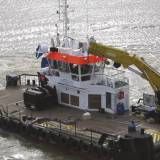
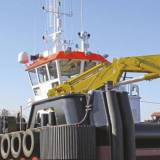
M fenders protect a tugboat by providing a resilient contact surface that absorbs impact and increases grip when the tug engages with another vessel. In pushing operations, they help distribute forces over a larger area, reducing stress concentrations on the tug’s hull and on the contacted vessel. Their placement around bow or stern positions improves control during manoeuvres and reduces the likelihood of surface damage during routine towing or assisting activities.
How should M fenders be maintained?
Maintenance for M fenders typically includes regular visual inspection for cuts, abrasion, deformation, and loose fittings; cleaning to remove fouling and debris; and checking attachment points and hardware for corrosion or wear. Avoid using harsh chemicals that could degrade the fender material. Replace fenders or fittings when damage compromises performance. For selection, inspection criteria, or maintenance recommendations specific to your operations, contact our team for technical advice.
Fender brochures
In our download section you will find the latest editions of our fender brochures. Please download our latest fender catalogue for more interesting product information