


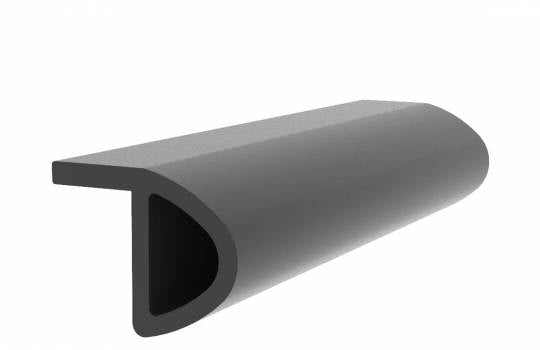
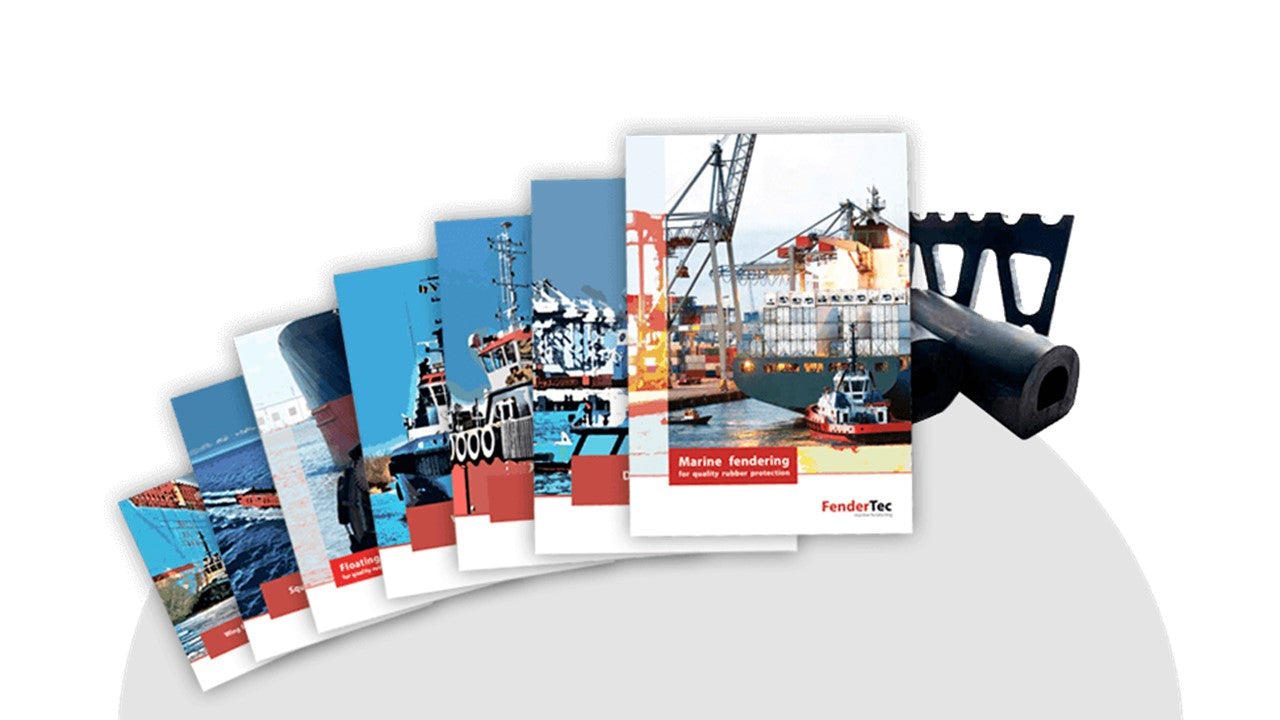
Rubber fenders for pontons and floating docks Brochure
In our download section you will find the latest editions of our fender brochures.
Typical applications:
-

Fenders for Pontoons and marinas
FenderTec specializes in supplying powerful and high-quality pontoon fenders and / or...

Rubber fenders for pontons and floating docks information:
FAQ
What is a ponton fender?
A ponton fender is a rubber fender designed for use on pontoons and other floating structures to reduce impact and abrasion between vessels and the pontoon. These fenders are typically shaped and mounted to provide a buffer that absorbs energy during berthing and mooring operations. Ponton fenders are commonly specified for marine applications where protection of hulls and floating infrastructure is required, and they are selected based on shape, resilience, and compatibility with the floating dock design.
What are floating dock fenders used for?
Floating dock fenders are used to protect both the dock structure and visiting vessels from contact damage during berthing and mooring. They absorb and distribute kinetic energy from impacts, compensate for movement caused by waves and tides, and help prevent abrasion to hulls and dock edges. Floating dock fenders are applied wherever repeated contact occurs between floating platforms and craft, and their selection depends on the operational environment and the level of protection required.
What materials are rubber fenders made of?
Rubber fenders are manufactured from purpose-formulated rubber compounds intended for marine environments. These compounds provide elasticity and impact resistance and are often selected for resistance to ozone, UV exposure, saltwater and general weathering. Some designs incorporate internal reinforcements or steel inserts to improve mounting strength. Material choice is driven by the application, expected loads and environmental exposure; consult technical guidance to match compound properties to the operating conditions.
How are ponton fenders installed?
Ponton fenders are installed using mounting methods appropriate to the fender design and dock construction, such as mechanical fastenings, brackets, through-bolt assemblies or adhesive systems for specific profiles. Installation method selection considers load transfer, ease of replacement and access for inspection. Proper installation and positioning are important for effective energy absorption and to avoid concentrated stresses. For project-specific recommendations and mounting details, contact our team for technical advice.
Fender brochures
In our download section you will find the latest editions of our fender brochures. Please download our latest fender catalogue for more interesting product information