



Push knee plates Brochure
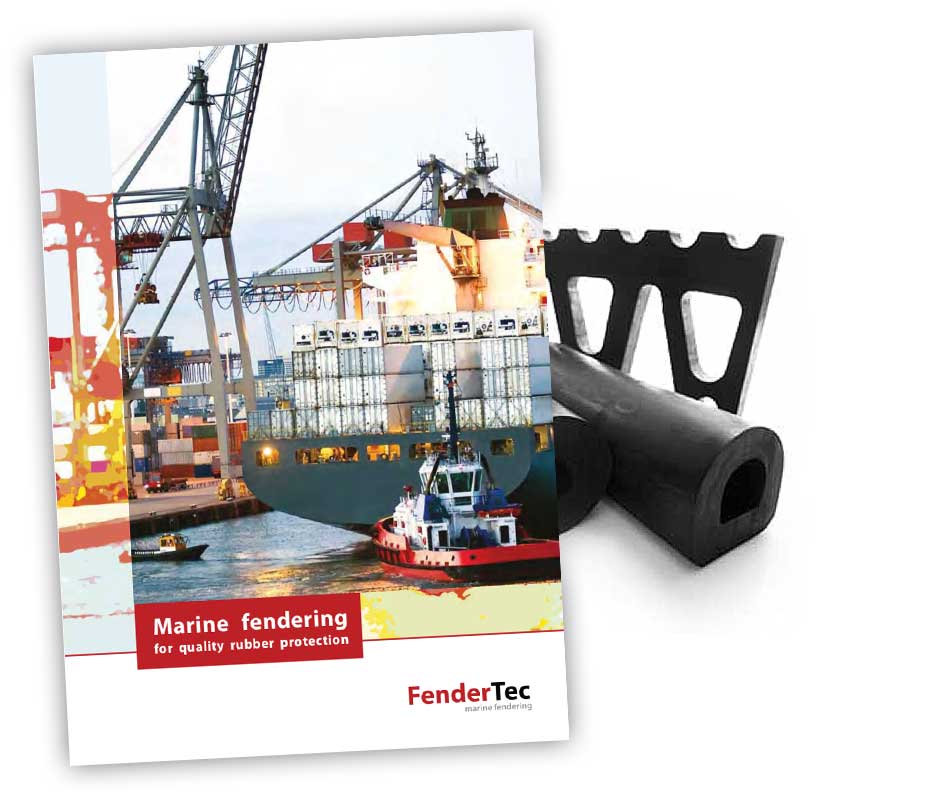
In our download section you will find the latest editions of our fender brochures.
Related tugboat fenders:
-

Fenders for Tugboats
FenderTec produces high-quality rubber fenders for workboats, tugboats, and marine applications. We...

Push knee plates information:
FAQ
What are push knee plates?
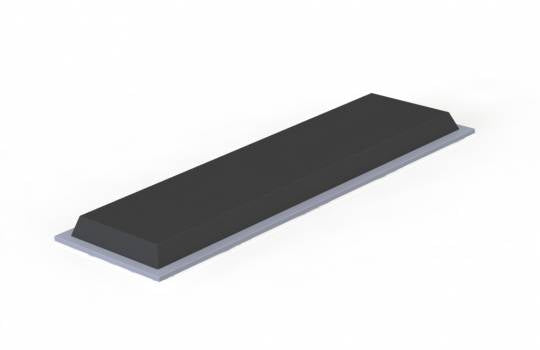
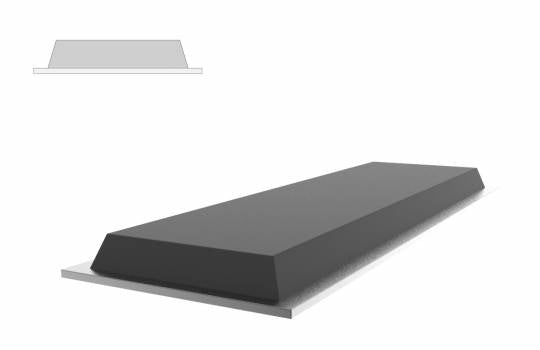
Push knee plates are marine fender components comprising a structural steel backing plate with a bonded vulcanised rubber facing. They are designed to provide a wear-resistant contact surface that reduces impact forces between vessels and fixed structures. The assembly combines the strength of steel with the energy-absorbing properties of rubber to protect quay walls, barges and other berthing points from abrasion and localized damage.
What are push knee fenders used for?
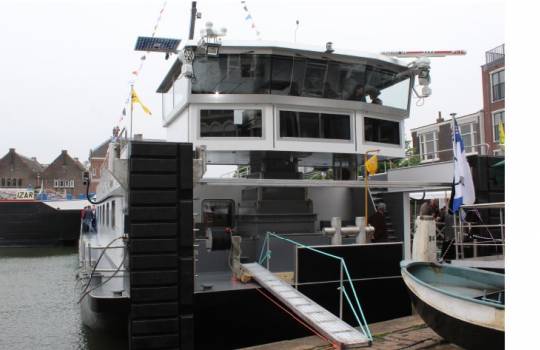
Push knee fenders are used to protect vessel hulls and quay structures during berthing and mooring operations. They are typically positioned at points where vessels make contact with docks, barges or quay walls, absorbing impact energy and preventing direct metal-to-metal contact. Their application includes protecting corners, guiding vessels into berth and prolonging the service life of structural elements exposed to repeated contact.
What materials are push knee plates made from?
Push knee plates are generally constructed from a structural steel backing plate with a vulcanised rubber facing bonded to the steel. The rubber compound is selected for abrasion resistance and elasticity suitable for marine environments, while the steel provides rigidity and load transfer. Steel surfaces are often treated or coated to mitigate corrosion risks. Material choices and rubber formulations are determined by operating conditions and engineering requirements.
What maintenance do push knee plates require?
Maintenance of push knee plates involves regular visual inspections for rubber wear, cracking, de-bonding and steel corrosion or deformation. Routine cleaning to remove debris, touch-up of protective coatings on steel and verification of mechanical fixings are typical activities. Replacement of worn rubber facings or corroded steel components should follow manufacturer or engineering guidance. For specific inspection intervals and remedial actions, contact our team for technical advice tailored to the installation.
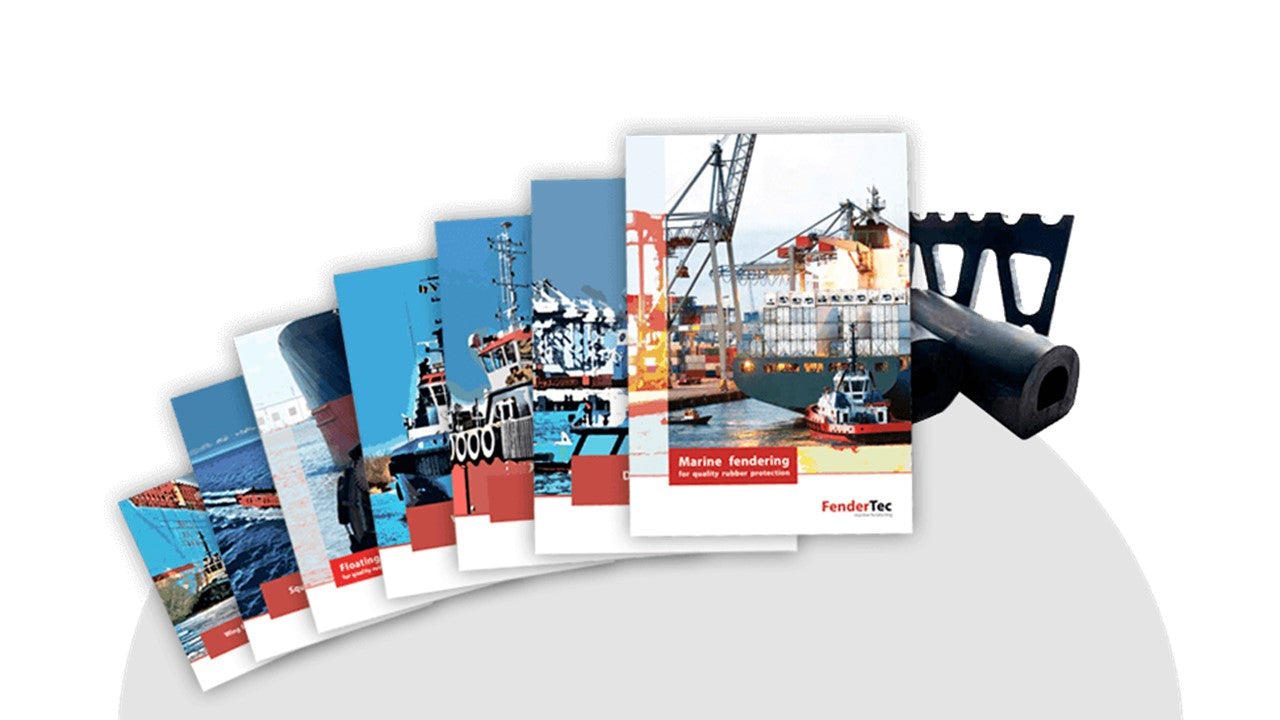
Fender brochures
In our download section you will find the latest editions of our fender brochures. Please download our latest fender catalogue for more interesting product information